Strides Neuropsychology & Brain Health
Neuropsychology & Cognitive Rehabilitation in Toronto & Across Ontario
Evidence-based support for adults experiencing ADHD, concussion, brain injury, insomnia, memory concerns, and cognitive or emotional challenges affecting everyday life.

Supporting Cognitive, Emotional & Brain Health
Strides Neuropsychology & Brain Health is a virtual practice dedicated to helping adults and older adults better understand and manage changes in cognition, emotion, sleep, and daily functioning.
Whether you are navigating ADHD, recovering from a concussion, coping with cognitive fatigue, experiencing changes in memory, or seeking support for sleep, mood, or emotional wellbeing, our focus is on helping you build practical strategies that support everyday life.
Our Approach
At Strides Neuropsychology & Brain Health, care is evidence-based, collaborative, practical, and individualized.
We help clients better understand how their brain is functioning while developing realistic strategies that support independence, quality of life, emotional wellbeing, and everyday functioning.
Our approach integrates:
• Neuropsychological principles
• Cognitive rehabilitation strategies
• Evidence-informed intervention
• Behavioural approaches
• Psychoeducation
• Lifestyle support
• Collaboration across disciplines
Areas of Support
Neuropsychological Intervention & Cognitive Rehabilitation

Brain Health, Cognitive Aging, & Mild Cognitive Impairment

Attention-Deficit/Hyperactivity Disorder (ADHD) & Executive Functioning Support

Concussion, Traumatic Brain Injury, & Stroke Recovery
Sleep & Insomnia
Mood & Emotional Challenges
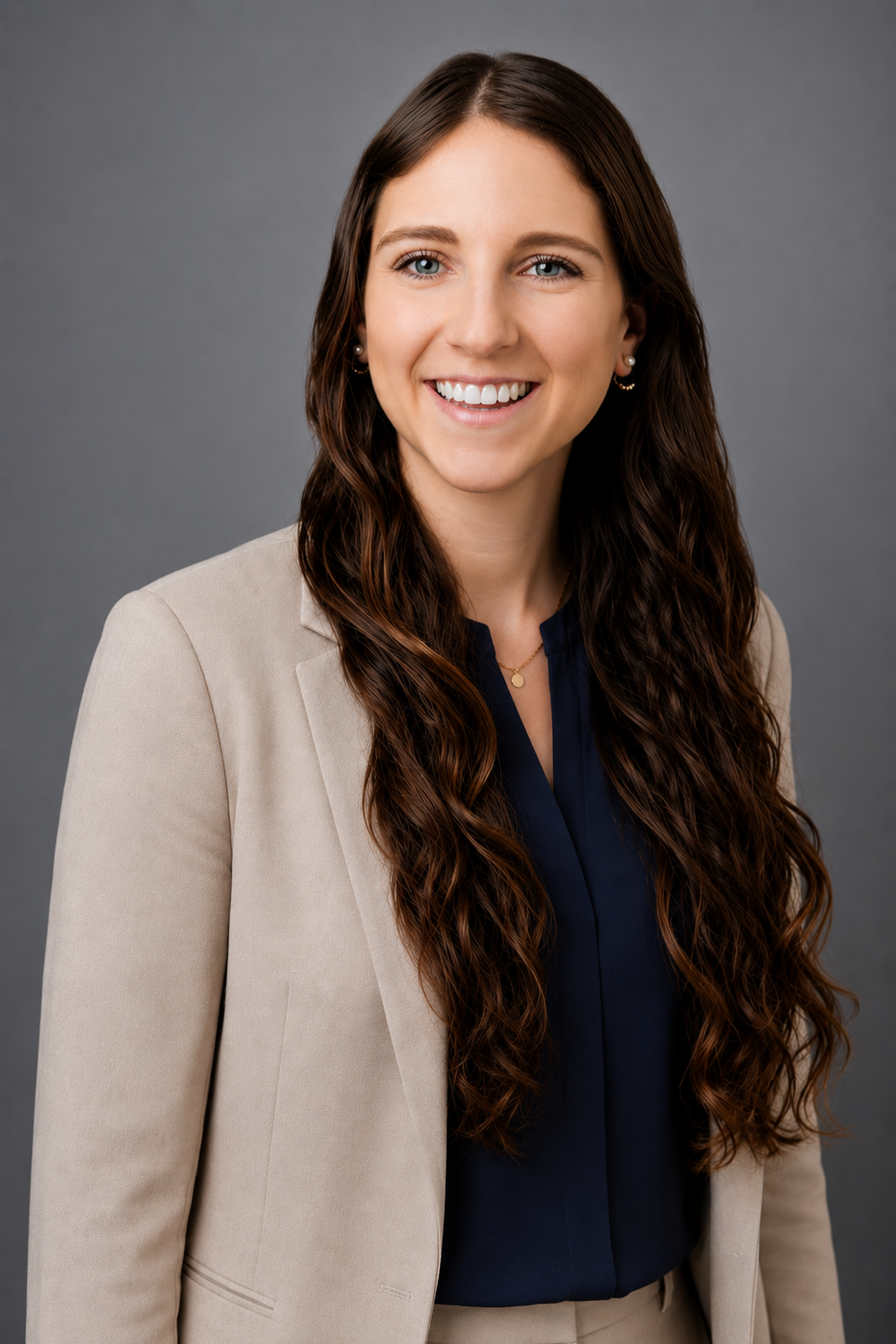
Meet Dr. Keera Fishman
Dr. Keera Fishman is a Clinical Neuropsychologist and Clinical Psychologist based in Toronto, Ontario, providing evidence-based assessment, therapy, and cognitive rehabilitation for adults experiencing changes in memory, attention, thinking, mood, sleep, and daily functioning. She works with individuals navigating ADHD, concussion, stroke, mild cognitive impairment, dementia, and other cognitive and mental health concerns.
Her approach is warm, collaborative, and practical, integrating neuroscience, neuropsychology, and cognitive-behavioural therapy to help clients better understand their brain function while building strategies that support confidence, independence, and everyday wellbeing.
Frequently Asked Questions
-
Yes. ADHD support for adults focuses on more than attention difficulties, including challenges with organization, time management, procrastination, emotional regulation, and maintaining daily routines.
Treatment helps you understand how ADHD affects your daily functioning and develop practical, individualized strategies that build on your strengths and support your personal goals.
-
Yes. Many people experience ongoing symptoms after a concussion, including fatigue, difficulty concentrating, memory concerns, increased stress, brain fog, and reduced confidence in their abilities.
Neuropsychological support focuses on understanding these symptoms and developing practical coping strategies to improve daily functioning. Treatment also supports a gradual return to meaningful activities at work, school, and home.
-
Yes. Neuropsychological and psychological support can help with insomnia and sleep problems, especially when sleep difficulties are related to stress, anxiety, ADHD, concussion recovery, or changes in cognitive functioning.
Sleep difficulties such as trouble falling asleep, staying asleep, or feeling unrefreshed are often connected to cognitive and emotional factors. Treatment focuses on identifying contributing factors and developing practical strategies to improve sleep habits, reduce nighttime overthinking, and support a more consistent sleep routine.
The goal is not only to improve sleep, but also to enhance overall cognitive and emotional functioning so you feel more rested, clear-headed, and able to manage daily demands.
-
Cognitive rehabilitation is a structured, goal-focused approach that helps improve or compensate for difficulties with memory, attention, organization, time management, and mental fatigue.
Instead of focusing only on test scores or diagnoses, cognitive rehabilitation focuses on building practical strategies to help people function more effectively in daily life.
It supports individuals in improving independence, managing everyday demands, and achieving personal goals.